
Singapore 2D Animation Agency
Enter the world of 2D animation with our Singapore studio, Elevate, where we specialise in turning imaginative concepts into vivid, captivating visual stories. Our studio is the go-to place for those seeking to express ideas, narratives, and messages through the art of 2D animation tailored for businesses, educational purposes, and creative ventures.
Our 2D Animation Services
Our comprehensive suite of 2D animation services includes character design, storyboard creation, and custom animation. Additionally, we also offer background art and sound design services to further enrich your animations, completing the full sensory experience.
Table of Content
When you choose us, you’re choosing a partner who excels in marrying visual artistry with narrative precision. We don't just create 2D animations; we craft visual experiences that resonate with audiences, one that doubles as a potent tool for communication and engagement.
-
Introduction to 2D Animation
Advantages of 2D animation for brand marketing
-
Explainer Video
Product demonstrations
Brand storytelling
Social media content
Email marketing campaigns
-
Establishing a clear brand identity
Maintaining consistent visual branding
Engaging the audience with compelling narratives
Optimizing for different platforms and devices
-
Advances in Animation Technology
Integration with Augmented Reality (AR) and Virtual Reality (VR)
The Rise of Interactive Animations
Sustainability and Ethical Considerations in Animation
-
Successful 2D motion graphics
Lessons learned and best practices
1. Introduction
2D animation refers to the process of creating moving images by sequentially displaying
two-dimensional artwork or illustrations.
Key characteristics of 2D animation:
Flat, hand-drawn or vector-based visuals
Movement is achieved through the manipulation of individual frames
Typically created using specialised animation software or traditional frame-by-frame techniques
Can incorporate a wide range of styles, from classic cartoons to modern motion graphics
Advantages of 2D animation for brand marketing
a) Versatility:
2D animation can be used to create a variety of content, including explainer videos, product demonstrations, brand stories, and social media posts.
The flexible nature of 2D animation allows for easy customization to align with a brand's visual identity and messaging.
b) Emotional appeal:
2D animation can evoke strong emotional responses from viewers, making it an effective tool for storytelling and building brand connections.
Animated characters and narratives can humanize a brand and make it more relatable to the audience.
c) Engagement and retention:
Animated content often captures the viewer's attention more effectively than static visuals or text-based content.
The engaging and visually stimulating nature of 2D animation can improve information retention and recall.
d) Cost-effectiveness:
Animated content often captures the viewer's attention more effectively than static visuals or text-based content.
The engaging and visually stimulating nature of 2D animation can improve information retention and recall.
e) Scalability and flexibility:
2D animation content can be easily adapted and optimised for different platforms and devices, ensuring a consistent brand experience across various touchpoints.
The iterative nature of the 2D animation process allows for quick adjustments and refinements to respond to market changes or evolving brand strategies.


2. Incorporating 2D Animation into Brand Marketing
Use 2D animation to break down complex products, services, or business concepts into easy-to-understand visual narratives.
Explainer videos can help educate and inform the target audience, addressing their pain points and positioning the brand as a trusted authority.
Effective explainer videos often incorporate a combination of animated characters, infographics, and clear, concise voice overs or on-screen text.
Leverage 2D animation to showcase the features and benefits of a product in an engaging and visually compelling way.
Animated product demos can highlight key product attributes, demonstrate usage, and illustrate the problem-solving capabilities of the offering.
This approach is particularly useful for showcasing new or innovative products that may be difficult to convey through static imagery or live-action video.
Leverage 2D animation to create eye-catching, shareable content for social media platforms.
Animated social media posts, GIFs, or short videos can help a brand stand out in a crowded feed, driving higher engagement and improving brand visibility.
Adapting 2D animation for social media platforms requires considering factors such as video dimensions, playback capabilities, and user attention spans.
C. Brand storytelling
Use 2D animation to craft compelling brand narratives that connect with the target audience on an emotional level.
Animated brand stories can bring the brand's values, history, or unique personality to life, fostering a deeper sense of affinity and loyalty among consumers.
Effective brand storytelling through 2D animation often incorporates relatable characters, engaging plot lines, and a cohesive visual style that aligns with the brand's identity.
B. Product demonstrations
A. Explainer videos
D. Social media content
E. Email marketing campaigns
Incorporate 2D animation into email marketing campaigns to enhance the visual appeal and interactivity of the content.
Animated email elements, such as product showcases, call-to-action buttons, or personalised messages, can improve click-through rates and overall engagement.
Ensure that the 2D animation used in email campaigns is optimised for various email client compatibility and file size considerations.
3. Best Practices for Effective 2D Animation
By following these best practices below, brand marketers can create 2D animations that effectively communicate their message, maintain brand consistency, engage their target audience, and perform well across various digital platforms and devices. This approach helps maximize the impact and reach of animated content in brand marketing efforts.
A. Establishing a clear brand identity
Define your brand's visual style:
Develop a unique colour palette that aligns with your brand's personality and values
Create a distinctive illustration style that sets your brand apart
Design brand-specific characters or mascots if applicable
Craft a consistent voice and tone:
Ensure that the narrative style and language used in animations reflect your brand’s personality
Develop a brand voice guide for scriptwriting and voiceovers
Incorporate brand elements:
Integrate your logo, tagline, and other brand assets seamlessly into animations
Use brand-specific sound effects or music to enhance recognition
B. Maintaining consistent visual branding
Create a style guide for animations:
a) Document guidelines for character design, backgrounds, and motion styles
b) Specify typography rules for on-screen text
c) Define animation principles (e.g., timing, easing) that align with your brand's personality
Develop a library of reusable assets:
a) Create a repository of brand-specific design elements, characters, and backgroundsb) Ensure all team members have access to and understand how to use these assets
Implement quality control measures:
a) Establish a review process to ensure all animations adhere to brand guidelines
b) Regularly audit and update your animation style guide to keep it relevant
C. Engaging the audience with compelling narratives
Understand your target audience:
Conduct research to identify your audience's preferences, pain points, and motivations
Tailor your animation style and storytelling approach to resonate with your specific audience
2. Develop relatable characters and scenarios:
Create characters that represent your target audience or embody your brand values
Use familiar situations or challenges that your audience can identify with
3. Employ effective storytelling techniques:
Use a clear story structure with a beginning, middle, and end
Incorporate conflict and resolution to maintain viewer interest
Use humor, emotion, or surprise to make your animations memorable
4. Keep it concise and focused:
Prioritize key messages and avoid information overload
Use visual metaphors to convey complex ideas quickly and effectively
D. Optimizing for different platforms and devices
Adapt animations for various aspect ratios:
Create versions for landscape (16:9), portrait (9:16), and square (1:1) formats
Ensure key visual elements remain visible in all formats
Consider platform-specific requirements:
Adhere to duration limits for different platforms (e.g., Instagram Stories, TikTok)
Be mindful of autoplay and sound-off viewing on social media platforms
Optimize file sizes and formats:
Use appropriate compression techniques to ensure quick loading times
Choose the right file format (e.g., MP4, GIF) based on the platform and purpose
Ensure accessibility:
Include captions or subtitles for viewers who are deaf or hard of hearing
Use high contrast colors and legible fonts for improved readability
Test across devices:
Preview animations on various screen sizes (desktop, tablet, mobile)
Ensure smooth playback and legibility across different devices
4. Future Trends in 2D Animation for Branding
1. Real-Time Rendering:
Overview: The integration of artificial intelligence (AI) in animation software is revolutionizing how animations are created. AI tools can automate repetitive tasks like in-betweening (the creation of intermediate frames between keyframes) and colorization, significantly reducing production time.
Impact on Branding: AI-driven tools enable brands to produce high-quality animations faster and at a lower cost. This allows for more frequent content updates and the ability to quickly adapt animations for different campaigns or platforms. AI can also personalize animations in real-time based on viewer data, creating more tailored and impactful brand experiences.
2. Real-Time Rendering:
Overview: Real-time rendering technology, initially developed for video games, is being adopted in animation production. This technology allows animators to see the final look of an animation instantly, without waiting for time-consuming rendering processes.
Impact on Branding: Real-time rendering speeds up the production process, making it easier for brands to create and deploy animations quickly. This is particularly beneficial for campaigns that require rapid turnaround times or for producing content that needs to be adapted across multiple platforms.
3. Enhanced 2D-3D Hybrid Animations:
Overview: The blending of 2D and 3D animation styles is becoming more sophisticated. Advances in technology are allowing for seamless integration of 2D characters within 3D environments, creating a visually striking and dynamic aesthetic.
Impact on Branding: This hybrid approach enables brands to stand out with unique visual styles that capture attention. It offers more creative flexibility, allowing brands to experiment with different looks while maintaining the familiar appeal of 2D animation.
4. Higher Frame Rates and Resolutions:
Overview: As technology progresses, animations are being produced at higher frame rates (e.g., 60fps) and resolutions (e.g., 4K or even 8K). This results in smoother, more detailed animations.
Impact on Branding: Higher quality animations can enhance the viewing experience, making the content more engaging and memorable. Brands that prioritize high-resolution and high-frame-rate content can position themselves as premium and cutting-edge.
Augmented Reality (AR) Animations:
Overview: AR technology overlays digital content onto the real world, viewed through devices like smartphones or AR glasses. 2D animations can be integrated into AR experiences, allowing users to interact with animated brand characters or elements in their environment.
Impact on Branding: AR-enhanced animations can create immersive and interactive brand experiences that captivate audiences. For example, a brand mascot could come to life on a user’s phone, guiding them through a product demo or gamified experience. This adds a layer of engagement that static content cannot achieve, making the brand experience more memorable.
Virtual Reality (VR) Environments:
Overview: VR allows users to immerse themselves in fully animated environments. While 2D animations have traditionally been viewed on flat screens, advancements in VR are enabling 2D animations to be experienced in a 3D space, creating a unique and immersive storytelling medium.
Impact on Branding: VR environments offer a new way to engage audiences with 2D animation. Brands can create virtual worlds where users can explore and interact with 2D animated characters and stories. This can be particularly effective for experiential marketing campaigns, where immersion is key to creating a lasting impression.
Mixed Reality (MR) Applications:
Overview: Mixed Reality (MR) combines elements of both AR and VR, allowing animated content to interact with the real world in more sophisticated ways. This includes holographic projections of 2D animations that users can manipulate or interact with in real-time.
Impact on Branding: MR offers brands a cutting-edge platform to create highly interactive and engaging experiences. This technology can be used in retail settings, events, or digital campaigns to create a wow factor that differentiates the brand from competitors.
C. The Rise of Interactive Animations
Interactive Videos:
Overview: Interactive animations allow viewers to engage with the content by making choices that affect the storyline, characters, or outcomes. This trend is gaining popularity as viewers seek more personalized and engaging content experiences.
Impact on Branding: Brands can use interactive animations to create dynamic marketing content that adapts to user preferences. For example, an interactive ad might allow viewers to choose different product features to explore, leading to a more personalized and engaging brand interaction. This increases viewer engagement and can lead to higher conversion rates.
2 . Gamification:
Overview: Gamification involves incorporating game-like elements into non-game contexts. 2D animations can be used to create gamified experiences, where users earn points, unlock content, or compete with others.
Impact on Branding: Gamified animations can significantly boost user engagement and brand loyalty. By offering rewards or incentives, brands can encourage repeat interactions and deepen the emotional connection with their audience. This approach is particularly effective for younger demographics who are accustomed to interactive and gamified content.
3. Interactive Storytelling:
Overview: Interactive storytelling allows viewers to influence the narrative of the animation through their choices. This can be done through branching storylines, where different choices lead to different outcomes.
Impact on Branding: Brands can use interactive storytelling to create memorable and immersive experiences that resonate with the audience on a deeper level. This not only enhances engagement but also encourages repeat interactions as users explore different story paths. It’s a powerful tool for storytelling that can convey brand values and messages in a compelling way.
D. Sustainability and Ethical Considerations in Animation
Eco-Friendly Production Techniques:
Overview: As environmental concerns grow, there is increasing pressure on industries to adopt sustainable practices. In animation, this includes reducing the carbon footprint of production processes, such as minimizing energy consumption in rendering and using eco-friendly materials in any physical components of production.
Impact on Branding: Brands that prioritize sustainability in their animation practices can appeal to environmentally conscious consumers. By promoting eco-friendly production methods, brands can enhance their reputation and align with global sustainability goals. This approach can also be a differentiating factor in a crowded market.
Ethical Storytelling:
Overview: Ethical considerations in storytelling involve ensuring that the content is inclusive, non-discriminatory, and promotes positive social values. As audiences become more socially aware, there is a growing demand for content that reflects diversity and avoids harmful stereotypes.
Impact on Branding: Ethical storytelling can enhance a brand’s reputation and build trust with audiences. Brands that embrace diversity and inclusivity in their animations are more likely to resonate with a broader audience and foster loyalty. Moreover, addressing social issues through animation can position a brand as a thought leader and advocate for positive change.
Reducing Waste and Consumption:
Overview: In line with sustainability, there is a push towards reducing waste and excessive consumption in the animation industry. This includes minimizing the use of physical resources, optimizing digital processes, and reducing the production of unnecessary content.
Impact on Branding: Brands that adopt waste-reduction strategies can position themselves as responsible and forward-thinking. This not only appeals to consumers but can also lead to cost savings in production. Additionally, focusing on quality over quantity in animation production can enhance the impact and longevity of the content, providing greater value for both the brand and its audience.
Transparency and Ethical Labor Practices:
Overview: There is growing scrutiny on the labor practices within creative industries, including animation. Ethical considerations include fair wages, reasonable working hours, and safe working conditions for animators and production staff.
Impact on Branding: Brands that ensure ethical labor practices in their animation production can build a positive corporate image and avoid potential backlash. Transparency in production processes also fosters trust with consumers, who are increasingly concerned about the ethical implications of the products and content they consume.
A. Advances in animation technology
B. Integration with Augmented Reality (AR) and Virtual Reality (VR)
Case Studies

-
Art Director
Jerly is a highly skilled Lighting Technical Director with over 13 years of experience in Visual Effects. His career has flourished in esteemed studios such as Industrial Light & Magic (Lucasfilm), DNEG, and MPC, including a significant two-year tenure in the UK. Jerly has played a pivotal role in creating stunning visuals for Hollywood hits like Jurassic World, Transformers, and Mission Impossible. Known for his expertise in 3D lighting and narrative enhancement, he is dedicated to pushing the limits of creativity and technical excellence in Visual Effects.
Meet The Core Team
We are all creatives in our own field and expertise to help produce your brand’s story in the most authentic way.

-
Managing Director / Founder
I’m a creative professional that specializes in digital 2d, 3d animation and motion graphics. We haven’t met yet, but let's connect if you are:
- A marketer, brand manager who is looking to hire a creative angle for storytelling, animation, motion graphics, I work with many people like you.
- A marketer, brand manager who is looking to bridge communication gaps when entering a new market in the region, specifically in the Asia Pacific market in the form of brand playbook, sales kit and brand videos.
- An executive producer or creative director of an agency who is looking for a content production partner or cross-expertise.
If any of the above sounds like you, I work a lot with people like you.
I’ve spent most of my entire career in the space of animation, motion design and interactive content.
Click here to view my career highlights on LinkedIn. Let’s connect!

-
Creative Producer
For the past 12 years in digital animation and production, I love to be working alongside clients in meeting their key metrics creatively, ensuring we have the specialised talents to work on each specific project. I believe that creativity and effective project management go hand in hand in order to achieve the results that are on-brand and high quality.
I have enjoyed working on various diverse creative animated projects for clients like Mandai Wildlife Reserve, NHG, SGX, Simmons and Lazada.
Who we work with
We work with forward-thinking brands to connect with you and shape the world around us.
Testimonials
-
Thank you for putting us in the right direction from the start of planning to the execution of the project.
-
Great work within many constraints within the project. The team puts in a lot of thought in the discovery phase, taking the initiative to tell us what would and wouldn’t work for our campaign.
-
Quality work and going the extra mile to understand what we are looking for despite the tight deadlines; it saved us a lot of time during the creative process.
Some call us Video Production
or Animation Company
But at the heart of it, we are visual storytellers who work closely with people
and brands we believe in.
Be it 3D animation or other video production methods, what keeps us going is to create content that not only looks great, but also to co-create with you in order to deliver meaningful results for your investment.
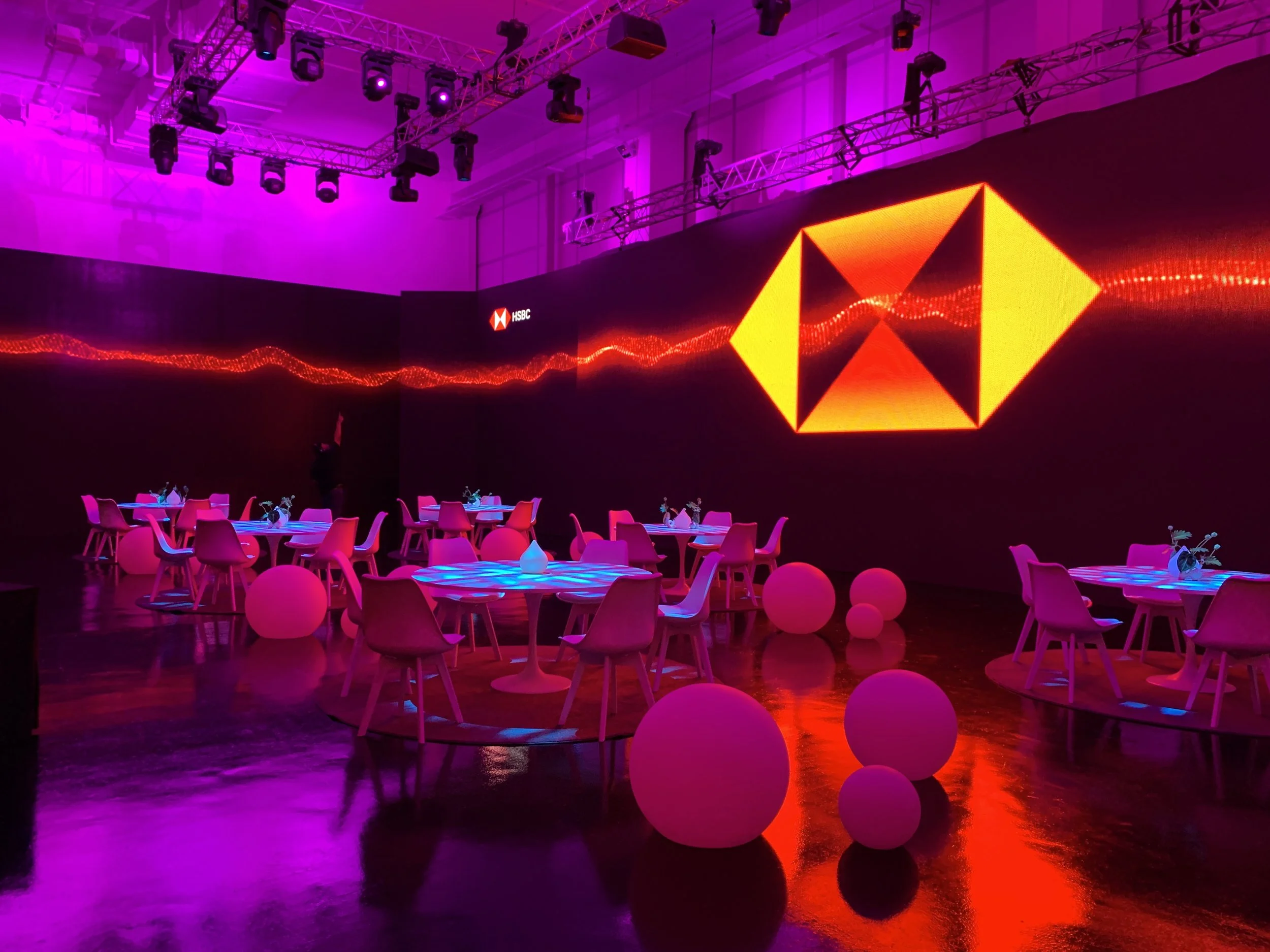
HSBC Global Private Banking Immersive Dinner
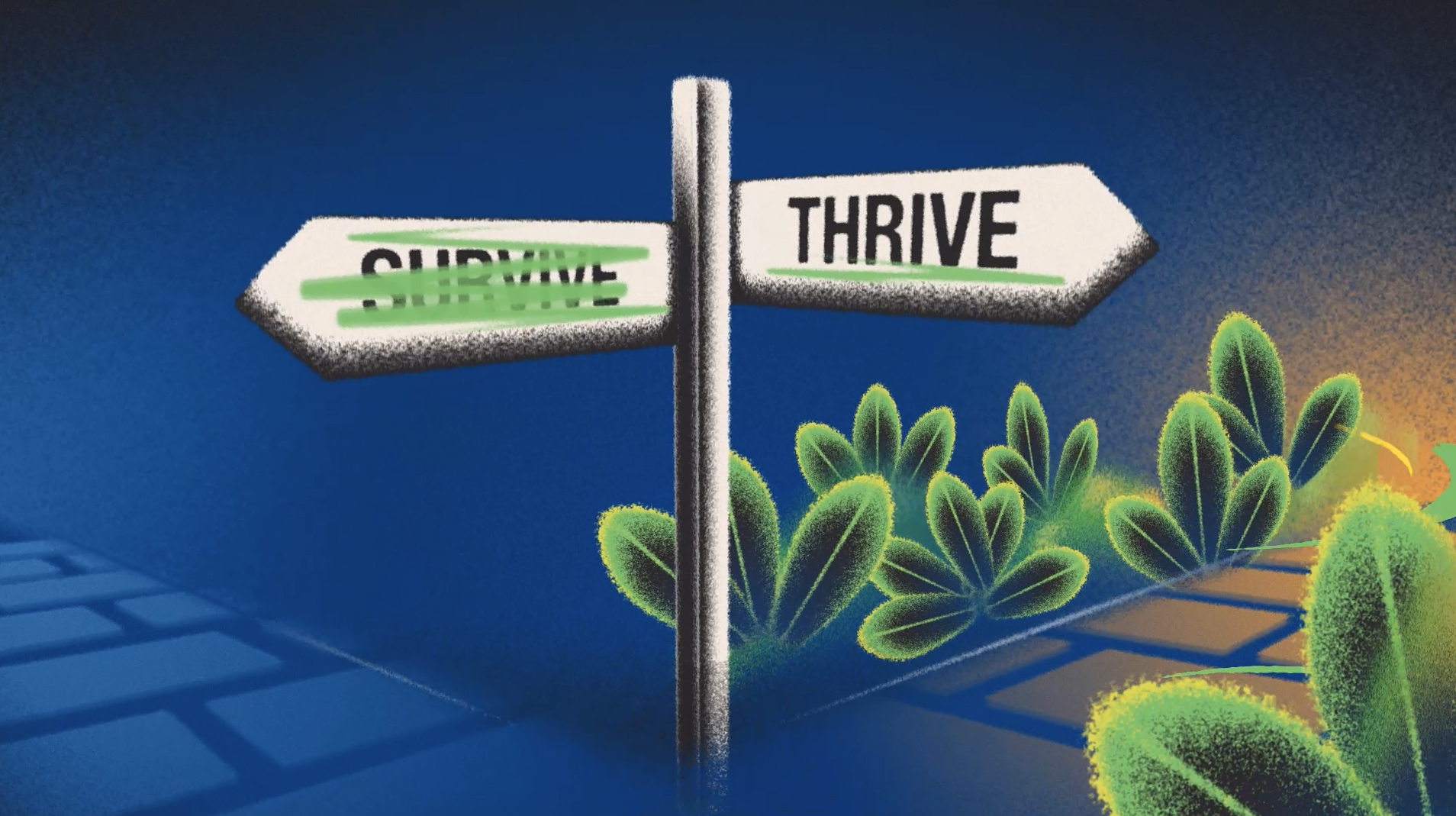
National University of Singapore Brand Video
-
From creating brand mascot, expressive texts, motion design and animation encapsulate the entire motion graphics discipline. We work with experienced, senior designers in each of the discipline to expand our creative services to supplement the team on larger-scale projects.
As such, we are able to offer clients our full range of design-driven solutions from small to larger scale projects. This too allows us to pivot easily if the needs change, which is critical in today's marketing strategies.
-
Your brand awareness starts with how you position your brand and marketing campaign identity. More than just animated content and key visual for your social media, it deserves an identity that sets you apart from the competition.
If you are managing your marketing and brand's presence specifically in Asia Pacific region, we will be your creative partner ensuring story and visuals that will connect and relate with your target market.
-
When it comes to your your business, audience, industry and brand, you know them the most.
We will be your partner in translating your words and vision into visual narrative that connects and creates an impression with your target audience.
You will be working closely with our creative director and account manager at every stage to ensure we deliver a brand video that everyone will be proud of.
-
You are looking for a greater online presence to drive interaction and enhance your brand's visibility. Connect with your audience to inspire action and let us work closely with you to create content that not only stands out in the feed, but also creates a lasting impression for your brand.
A bespoke content in animation or illustrations could be a powerful and versatile tool for your engagement and growth.
-
2D Animation will bring a different flair to brands that are looking to communicate in a certain way. This could include characters, texts, creatures and background that are moving in a two dimensional space.
Very much so like 3D, it has a different appeal to audience when it's done right.
Frequently Asked Questions About 2D Animation
-
2D animation benefits your business by enhancing engagement through visually appealing storytelling, simplifying complex concepts, boosting brand recognition, and increasing the effectiveness of your marketing and communication strategies.
-
Elevate is adept at creating 2D animations and explainer videos specifically tailored for both Virtual Reality (VR) and Augmented Reality (AR) platforms. By blending traditional 2D artistry with modern immersive technologies, we have developed a proficiency in making content compatible with VR and AR applications.
Our experience across various industries has honed our ability to curate personalised approaches, meeting the unique needs and wants of our diverse clientele. This versatility in our services and skills enables us to adeptly translate our expertise into the realms of VR and AR, providing tailored solutions in these innovative fields.
-
Elevate uses a variety of advanced technologies for 2D animation, including professional animation software like Adobe After Effects, Toon Boom Harmony, and traditional frame-by-frame animation techniques, ensuring high-quality and fluid animations.
-
A typical 2D animation project at Elevate can take anywhere from a few weeks to several months, depending on the complexity, length of the animation, and specific client requirements. However, timelines may be adjusted based on client needs and project specifics.
-
Elevate encourages client input and feedback at all stages, from initial concept and storyboard development to the final animation stages, ensuring the final product aligns with the client's vision.
-
Yes, Elevate offers revisions and edits on 2D animation projects. The team is committed to client satisfaction and works closely with clients to make necessary adjustments within the scope of the project agreement. The project agreement will outline the scope and number of revisions to ensure clarity and satisfaction.
-
The pricing for 2D animation services at Elevate varies based on the project's complexity, duration, and specific client needs. Prices are tailored to each project, with considerations for animation style, length, and additional features such as voiceover or special effects. You can reach out to us by dropping us an email at hello@elevatefuture.com and requesting a custom quote for a precise cost estimation.